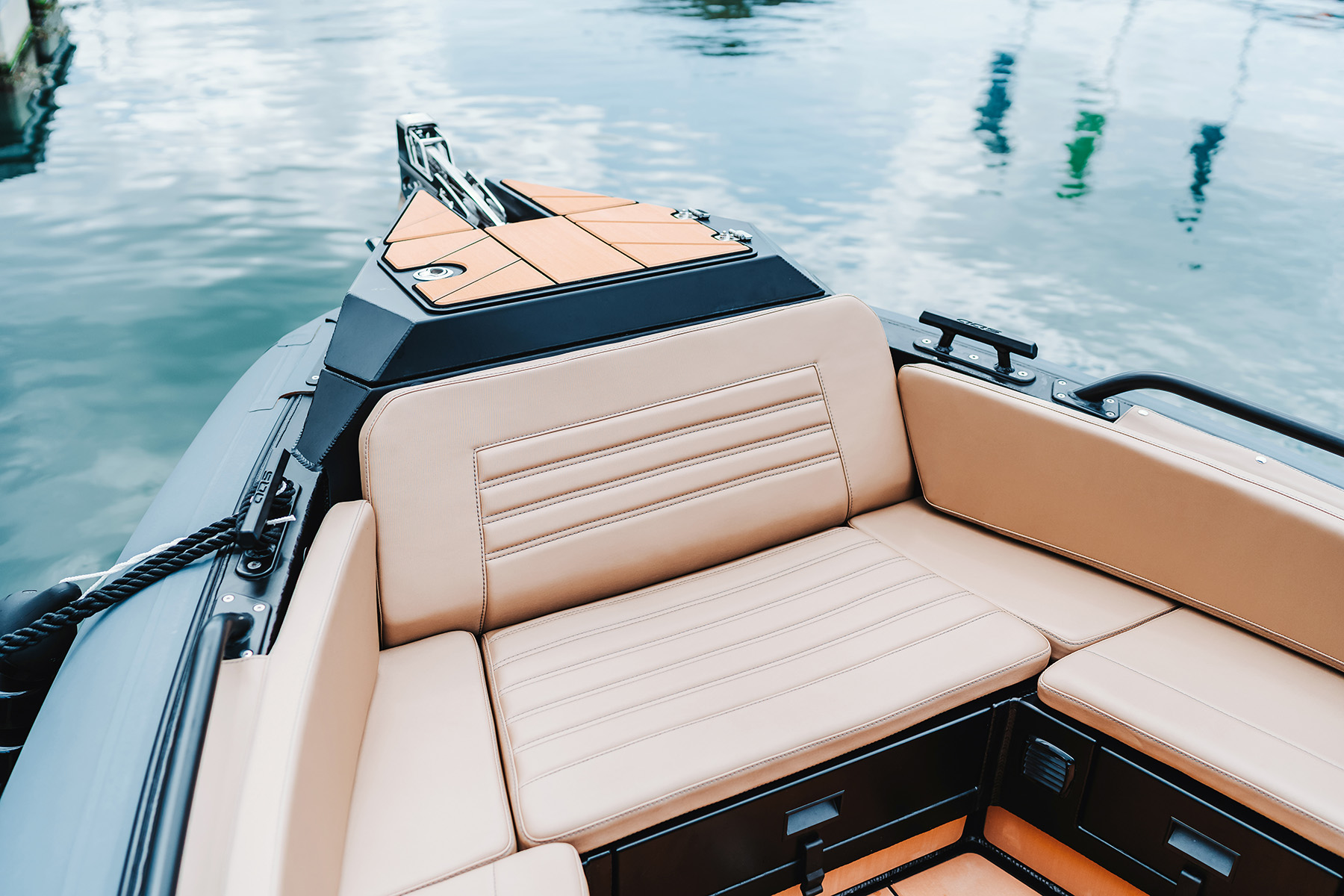
Rigid inflatable boat is a stable, fast and versatile boat whether it's a tendering trip or a rescue. This reputation comes from a hull and a series of tubes that were never designed to be maintained in the same manner and an outboard with its own requirements altogether. What is to follow is not a lengthy process. People who do not do it, lose years of the boat.
Catch a slow leak before it costs you a day out
Practice conducting a hand and eye check of the tubes for punctures, wear or discolouration, particularly around the fittings & water line. A slow leak often doesn't make a noise until it's spotted, so apply a light soapy solution to the area and look for bubbles. A pinhole is a patch that can be done in five minutes, if caught early enough. Without the cylinder's support, it's just an empty tube that won't hold air for the next time you need it.
Wash tubes and hull after each trip
The salt, dirt and sand are more destructive to the fabric than when they are in the water. After each use, rinse thoroughly off with fresh water and do not use a regular detergent, as it may remove the coating as well as the dirt.
Unlike salt, UV damage is slower and permanent
PVC and Hypalon tube fabric stiffens and fades in the sun, and cannot be cleaned back after this. Some protection from the sun can slow it down: a few applications of a UV protectant can do a lot more than just applying it to the boat; keeping the boat under cover or shade between trips will slow the process.
Follow its own schedule
It operates independently of the hull and tubes: oil changes are performed on the manufacturer's schedule; fresh water washing is done after each salt run; and regular inspections of the lower unit and fittings for early corrosion. A majority of engine problems that appear in the middle of the season started months ago.
Not stored, but kept dry
Mildew and odour over winter is caused by moisture trapped inside the RIB, so get it properly cleaned and dry thoroughly, including the tubes, before the start of the winter months. Unless otherwise stated by the manufacturer, slightly relieve the tube pressure during storage, as temperature change during storage can cause the tube to rise above the normal pressure. A cool and shaded area or a sheath is better than a tarp in the sun.
An aluminium hull eliminates this list of drawbacks
The above is for any RIB regardless of the hull material, as far as the tubes and the engine are concerned. Depending on the material, this is a different story with the hull. Unlike fibreglass, Aquaspirit constructs its hulls from marine aluminium (EN AW-5083), eliminating the need for a gelcoat to be polished, chalked or blistered, and the need for laminate (see aluminium vs fibreglass hulls for the full comparison). The one item to be checked every season is the sacrificial anodes, where the galvanic corrosion starts when aluminium comes in contact with a dissimilar and non-isolated metal.
Most of this doesn't take hours; it takes minutes: a rinse, a check of the tubes, a scheduled oil change. If you miss it, it is unlikely to appear on your next journey. It appears three seasons later and is in a tube that doesn't hold pressure or a harder to sell hull.