The initial consideration for a RIB is the choice of hull material: There is no one right or wrong answer to the question of whether aluminum or fiberglass is "better" - it depends on the type of use you want to make of the boat, how you store it and how long you plan to hold it. So, let's get past the showroom chitchat and get on to the real issue: how the materials compare.
The real role of a RIB hull
A rigid inflatable boat requires more from its hull than most boats. The lower rigid section stands up to the impact of open water while the inflatable lower collar shields them and acts as an extra buoyancy in case of impact. Stiffness, weight, durability and repairability all come together, aluminum and fiberglass part ways.
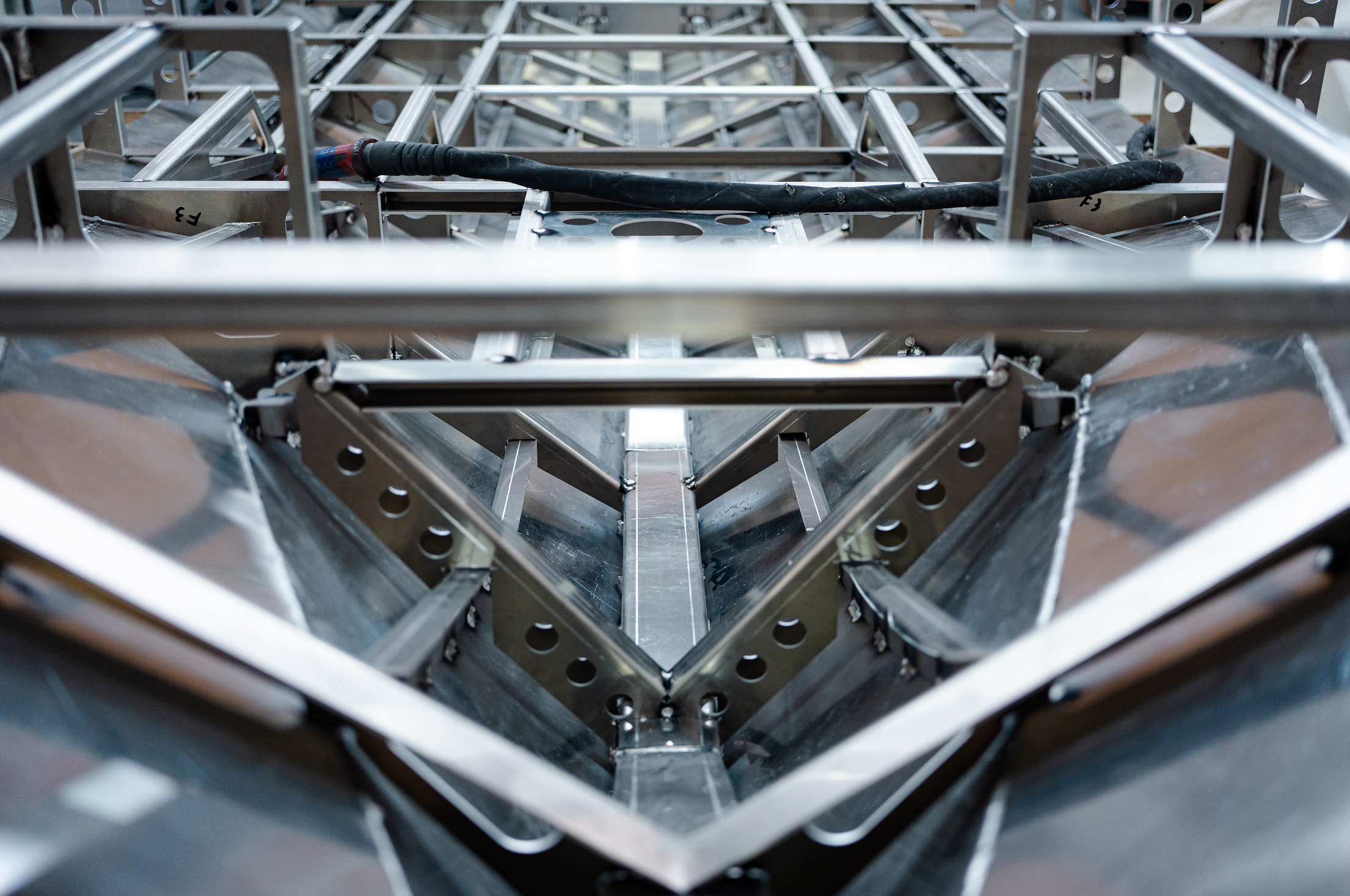
Aluminum is constructed to endure abuse and last a long time. The marine grade aluminum hull, usually constructed of EN AW-5083, is welded and not molded. It's a highly corrosion-resistant alloy in salt water and because of its strength-to-weight ratio, it's everywhere from workboats to naval vessels.
Where aluminum wins
- Impact tolerance. If a fibreglass hull is run onto a rock, gelcoat or laminate will crack. Repeat in aluminum, and you'll have a much better chance of denting than breaking. That margin is an important thing for shallow water, beaching or commercial use.
- Longevity. No gelcoat to chalk, no laminate to delaminate, and no osmotic blistering.
- Repairability. Aluminum is welded – damage is cut and replaced with a piece of new aluminum. No need to maintain a climate controlled shop and weeks of cure time.
- Lighter in weight for strength. A welded aluminum hull is often lighter than an equivalent fiberglass layup and thus requires less of an engine to reach the same speed, lower fuel consumption, and easier to move in the trailer.
Aluminium's "dent, don't break" is the whole point when it comes to professional use, whether that's by the police, rescuers or dive charters. The actual cost is downtime, and a day's worth of welding a hull to get it back in service is worth that much!
The trade-offs
The sound and temperature conducts faster through aluminum, which means that the hull can feel colder and louder if not insulated. The quality of construction is also widely variable - a poorly welded hull is no good at all compared to a good fiberglass hull. In practice, no galvanic corrosion issues occur if dissimilar metals are installed properly and isolated, but the risk exists in practice.
Fiberglass: smooth, silent and sleek
Fiberglass (GRP) hulls are molded and allow the builder to make complex and deep-V hulls that retain a smooth surface out of the mold. For an honest reason it's the default for most leisure boats.
Where fiberglass wins
- Ride refinement. A molded, deep-V hull can be designed to deliver a soft, quiet ride in chop and the material absorbs sound and vibration.
- Finish and aesthetics. Glossy and easy to maintain looking new, a gelcoat finish is colored molded into the surface of the boat.
- Lower entry cost. Molded fiberglass may be more cost effective than a hand-welded aluminum part for mass-produced sizes.
The trade-offs
Fiberglass is more likely to be damaged by impact and the repairs are more complex and time consuming than a weld, requiring laminating and curing. For many years, gelcoat can chalk and preexisting hulls can have osmotic blistering beneath the waterline. Also, since the structure is based upon the laminate schedule, it is difficult to find a manufacturing shortcut in it until it fails.
Well, so what shall you do?
Aluminum is the logical material for hard running, commercial use, rescue, frequent beaching, rocky shorelines, or anyone who wants a hull that has held up for decades. For those who value a low-noise, sleek cabin and a perfect look for cruising around in moderate weather, fiberglass makes the cut.
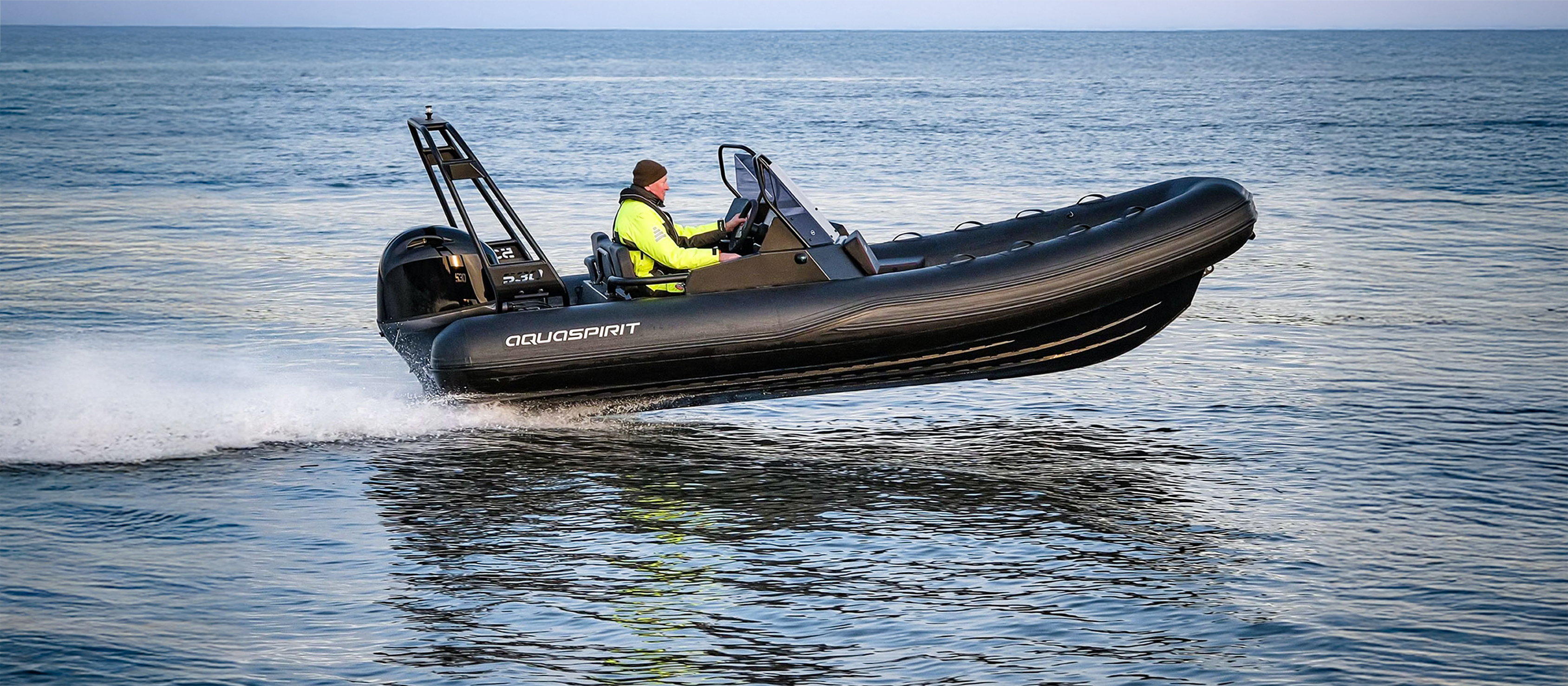
Our goal at Aquaspirit is to create all of our products in marine-grade aluminum, knowing that the owner will be keeping the boat for years to come. The Spirit 585 and the Spirit 700 are both designed for family leisure and day cruising, and for professional and extended range use, respectively; both are available on welded 5083 hulls that are built to hold up to the trends.
Not yet decided? Discuss your intended use and let us help you find the perfect boat.